


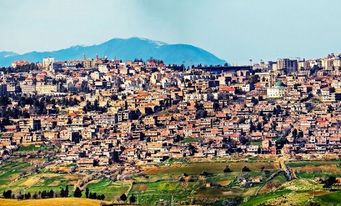
Urbanization, the movement of people from rural to developed or urban areas, has been a prominent element of growth in developing countries such as Nepal. However, rapid and unscientific nature of this urbanization poses a significant challenge to sustainable development. In this article I explore the consequences of unscientific urbanization in up-growing countries and need for more considered approach to urban growth.
Informal settlements—or commonly the squatter or slums—emerge as one significant challenge to urban development in Nepal, as in several countries in South Asia and beyond.
The need for Urbanization:
Nepal, like many other developing countries, has seen a spike in urbanization caused by factors such as rural-to-urban migration, the desire for better economic opportunities, and population increase. While urbanization is necessary for progress, the uncontrolled and unscientific nature of this process poses concerns.
Unscientific urbanization in Nepal:
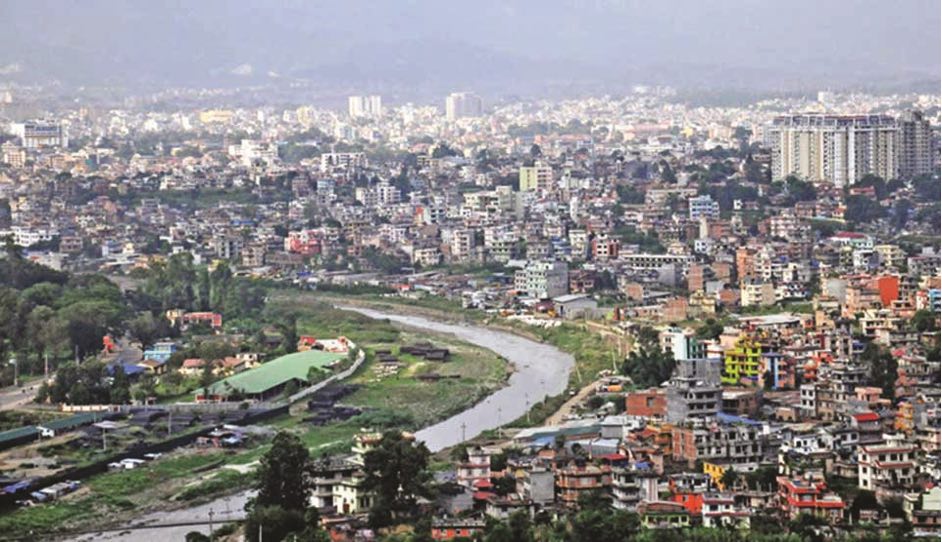
Unscientific urbanization in Nepal refers to the unplanned and uncontrolled expansion of urban areas, which frequently lack adequate infrastructure, zoning, and environmental considerations. This is evident in the growing informal settlements, insufficient housing, and overburdened public services in many urban areas around the country.
The consequences of Unscientific Urbanization:
Environmental Impact:
Unscientific urbanization has obvious environmental implications. Deforestation, air and water pollution, and biodiversity loss are common as cities expand without good planning.
Infrastructure Challenges:
The burden on infrastructure is obvious, with insufficient housing, poor water supply, and ineffective waste management systems. The lack of effective planning exacerbates these issues, resulting in congestion and bad living conditions.
Social and economic consequences:
Unscientific urbanization worsens social inequities and economic issues. Informal settlements frequently lack access to essential services, resulting in a significant disparity between the urban rich and poor.
Health Impacts:
Unplanned urbanization frequently results in inadequate sanitation infrastructure and inappropriate waste disposal, which adds to health risks. A lack of effective sewage infrastructure and waste management can lead to the spread of waterborne infections and other health hazards in metropolitan areas. Furthermore, the concentration of industries in metropolitan areas without sufficient controls can result in air and noise pollution, negatively compromising public health.
Traffic Congestion and Transportation Issues:
Rapid urbanization without well-planned transportation often leads to severe traffic congestion. Inadequate road networks, a lack of public transport options, and an increase in private automobile ownership all contribute to everyday traffic congestion. This not only reduces economic output, but also contributes to increased air pollution from automobile emissions.
In a nutshell, we can say that Unscientific urbanization in Nepal is a serious problem that requires quick action. Nepal can chart a road to sustainable urban growth by combining government measures, community participation, and international partnership, assuring a better future for its residents while also preserving its unique natural heritage. The path to a well-planned, environmentally sensitive urban landscape begins now.
Prepared by :Naresh Pant (Student,Kusom)